-
×
 Deutzia Strawberry Fields
- Vendor:
horti.co.za shop direct
-
×
 Azalea William Wylam
- Vendor:
Green Reflections Nursery
-
×
 Just Joey (Dried Rose Petals)
- Vendor:
horti.co.za shop direct
-
×
 Citronella Candles by Quintessence - 100g
- Vendor:
The Kendal Group
-
×
 Hydrangea serrata Grayswood
- Vendor:
horti.co.za shop direct
-
×
 Gardeners Herbal Hand Cream by Janet Carter (100ml)
- Vendor:
The Kendal Group
-
×
 Red Midinette (Dried Rose Petals)
- Vendor:
horti.co.za shop direct
-
×
 Big Blue Liriope Grass
- Vendor:
AngelsInMyGarden
-
×
 Aechmea gamosepala (matchstick bromeliad)
- Vendor:
horti.co.za shop direct
-
×
 Astrophytum Myriostigma Tricostatum
- Vendor:
MantisPlants
-
×
 Succulent Christmas Tree
- Vendor:
Blooming Marvelous Flower & Plant Studio
-
×
 Brugmansia Angel Adora
- Vendor:
AngelsInMyGarden
-
×
 Green frog plant supports (5)
- Vendor:
horti.co.za shop direct
-
×
 Ericaceous (Acid) compost
- Vendor:
horti.co.za shop direct
-
×
 Honey & Calendula Moisturiser - by Janet Carter 50ml
- Vendor:
The Kendal Group
-
×
 Salvia Gesneriifolia (Tequila Sunrise)
- Vendor:
horti.co.za shop direct
-
×
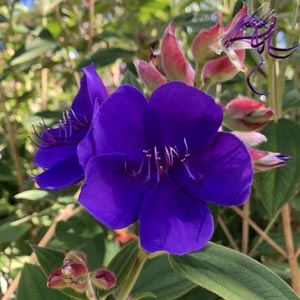 Pleroma Urvilleana (Tibouchina)
- Vendor:
horti.co.za shop direct
-
×
 Garden Tool Belt
- Vendor:
horti.co.za shop direct
-
×
 Plant pot - green 10.5cm
- Vendor:
horti.co.za shop direct
-
×
 Eucalyptus Seed Pods (Gum Nuts) Approx 60 Pods
- Vendor:
horti.co.za shop direct
-
×
 Astrophytum Asterias Nudum
- Vendor:
MantisPlants
-
×
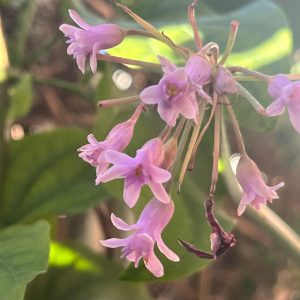 Tulbaghia Fragrans (Tulbaghia Simmleri)
- Vendor:
horti.co.za shop direct
-
×
 Cereus Peruvianus f. monstruosa variegata
- Vendor:
MantisPlants
-
×
 Brugmansia Angel Charles Grimaldi
- Vendor:
AngelsInMyGarden
-
×
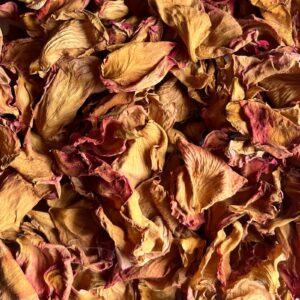 Bugati Pink Dried Rose Flower Petals
- Vendor:
horti.co.za shop direct
-
×
 Lemongrass (Cymbopogon Citratus)
- Vendor:
horti.co.za shop direct
-
×
 Bring Nature Back to your Garden
- Vendor:
Flora and Fauna Trust
-
×
 Petrea Volubilis (Dry Flower Petals)
- Vendor:
horti.co.za shop direct
-
×
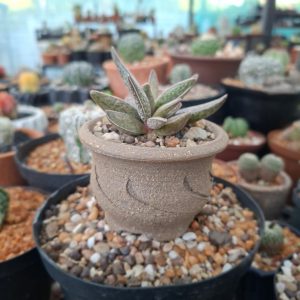 Adromischus Marianiae Clan William
- Vendor:
MantisPlants
-
×
 Phygelius 'Candy Drops' Cream PBR
- Vendor:
horti.co.za shop direct
-
×
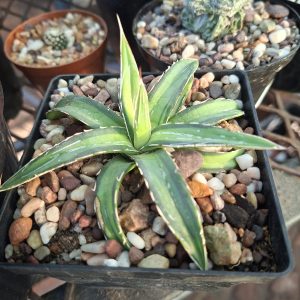 Agave Victoriae-reginae Sun King
- Vendor:
MantisPlants
-
×
 Agave Titanota Snuggletooth
- Vendor:
MantisPlants
-
×
 Astrophytum Myriostigma Fukuryu Nudum
- Vendor:
MantisPlants
-
×
 Liquidambar Styraciflua Dry Seed Pods (Sweet Gum Tree balls) 10 balls
- Vendor:
horti.co.za shop direct
-
×
 Mini Mixed Succulent Bowl
- Vendor:
Blooming Marvelous Flower & Plant Studio
-
×
 Legami Cactus Speaker
- Vendor:
horti.co.za shop direct
-
×
 Gasteria Batesiana
- Vendor:
MantisPlants
-
×
 Aloe cv Pearl Necklace
- Vendor:
MantisPlants
-
×
 Brugmansia Angel Pink Imperfection
- Vendor:
AngelsInMyGarden
-
×
 White Cream Canna plant
- Vendor:
horti.co.za shop direct
-
×
 Hydrangea 'fireworks'
- Vendor:
horti.co.za shop direct
-
×
 Aspidistra elatior Cast iron plant
- Vendor:
AngelsInMyGarden
-
×
 Mammillaria spinosissima
- Vendor:
MantisPlants
-
×
 succulent trio gift box
- Vendor:
Blooming Marvelous Flower & Plant Studio
-
×
 Mixed Dried Rose Flower Petals
- Vendor:
horti.co.za shop direct
-
×
 Long Handled Shovel
- Vendor:
Get Dirty
-
×
 Alstroemeria (variegated, red)
- Vendor:
horti.co.za shop direct
-
×
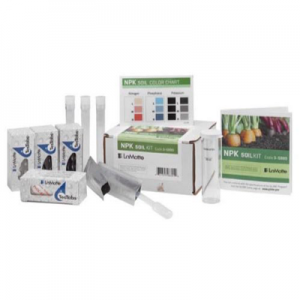 LaMotte NPK soil test kit
- Vendor:
horti.co.za shop direct
-
×
 DIY Succulent plant up box
- Vendor:
Blooming Marvelous Flower & Plant Studio
-
×
 Adromischus marianiae var. herrei
- Vendor:
MantisPlants
-
×
 Adromischus Marianae "Clanwilliam"
- Vendor:
MantisPlants
-
×
 Astrophytum Myriostigma Tricostatum
- Vendor:
MantisPlants
-
×
 Rutland 14in garden sieve
- Vendor:
horti.co.za shop direct
-
×
 Geranium Maderense (white)
- Vendor:
horti.co.za shop direct
-
×
 Astrophytum Myriostigma Nudum 5 RIB
- Vendor:
MantisPlants
-
×
 Mountain Flowers: A Field Guide to the Flora of the Drakensberg and Lesotho
- Vendor:
Flora and Fauna Trust
-
×
 Rhapsody in Blue (Dried Rose Petals)
- Vendor:
horti.co.za shop direct
-
×
 Coreopsis
- Vendor:
horti.co.za shop direct
-
×
 Purple Red Bracteantha Everlasting (Strawflower) Mohave™
- Vendor:
horti.co.za shop direct
-
×
 Scabiosa Fama White (Pincushion flower)
- Vendor:
horti.co.za shop direct
-
×
 T-label marker
- Vendor:
horti.co.za shop direct
-
×
 Long Handled Rake
- Vendor:
Get Dirty
Subtotal: R13,622.95