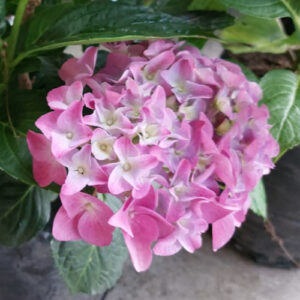
Beautiful two tone red fuchsia plants. Flowering throughout Spring, Summer and into winter.
prune back in winter for new bushy growth in Spring.
This fuchsia can take a sunny position with reasonable water.
Beautiful two tone red fuchsia plants. Flowering throughout Spring, Summer and into winter.
prune back in winter for new bushy growth in Spring.
This fuchsia can take a sunny position with reasonable water.
R70.00
Beautiful two tone red fuchsia plants. Flowering throughout Spring, Summer and into winter.
prune back in winter for new bushy growth in Spring.
This fuchsia can take a sunny position with reasonable water.
Shipping Countries: South Africa
Shipping States: Western Cape (South Africa), Gauteng (South Africa), Eastern Cape (South Africa), North West (South Africa), Limpopo (South Africa), Free State (South Africa), Northern Cape (South Africa), Mpumalanga (South Africa), KwaZulu-Natal (South Africa)
Ready to ship in 1-3 business days
Shipping Policy
This plant/s are sold by horti.co.za direct. We will process your order within 1-3 business days.
Many of our plants can be couriered nationwide - and at checkout these options will be displayed. IF couriering doesn't come up as an option, this means that your basket contains one or more items that cannot be couriered - due to size/or practical reasons.
In this case, please either remove from your basket, or contact us for help.
For example, our horse compost cannot be sent via courier and will therefore appear as click and collect only!
NB: We normally send the plants on a Monday or Tuesday to minimise the chance they'll get stuck in a depot over the weekend.
We offer click and collect for local customers only. :-)
Refund Policy
No refunds on click & collect goods.
Normal refund policy (see terms and conditions) on other 'delivery' products.
| Weight | 0.6 kg |
|---|---|
| pot size cm | |
| colour | Red |
Callistemon (often called Bottlebrush) is a bold, evergreen shrub or small tree prized for its showy, brush-like flower spikes that resemble traditional bottle brushes when in full bloom. Native to Australia, these plants are now popular in gardens around the world for their long flowering season and the way they attract birds, butterflies, and bees to your outdoor spaces.
Delicate, graceful and full of charm, Fuchsia thymifolia is a compact evergreen shrub with tiny leaves and dainty, pendulous flowers in shades of pink to reddish-purple. Its fine foliage and elegant growth habit give it a soft, almost miniature appearance, making it a lovely choice for shaded gardens, woodland borders and patio containers. A wonderful plant for gardeners who appreciate unusual, understated beauty.
🌸 Flowering time: Spring to autumn, often longer in mild conditions
☀️ Position: Partial shade; protect from harsh afternoon sun
💧 Water: Moderate; keep the soil evenly moist but well drained
📏 Mature size: Approximately 60–100 cm high and wide
❄️ Frost tolerance: Light frost only; protect from severe frost
🌱 Soil pH: Slightly acidic to neutral, approximately pH 5.5–7
Garden tip: Keep the roots cool with a layer of mulch and water regularly during hot, dry weather. Fuchsia thymifolia appreciates shelter from drying winds and is ideal for adding delicate colour to a shady corner.
The bush is comprised of mostly erect branched stems topped with multiple ball-shaped inflorescences which bear the nectar-rich flowers – sunbirds love them. They also attract honey bees and other beneficial insects.
The Bush Bronze butterfly (Cacyreus lingeus Fam: Lycenidae) uses this plant as one of its larval food plants.
The generic name Leonotis is derived from the Greek words leon meaning lion and –otis meaning ear. This refers to the pubescent upper lip of each flower that resembles a lion’s ear, hence the vernacular name. The specific epithet leonurus means lion-coloured, a reference to the flower colour of some forms.
For sale in South Africa. Couriered nationwide.
Description: Known as Dalmation sage, is a perennial, evergreen subshrub native to the Mediterranean region.
When it fruits: Produces its seeds, which are the fruits of the plant, from late summer to early autumn.
Edible: Yes, it is edible