Die Coryphantha elephantidens inermis is ’n seldsame, doringlose variëteit van die geliefde Coryphantha elephantidens. Met sy gladde, afgeronde liggaam en treffende diep groen kleur, is hierdie kaktus ’n pragtige toevoeging tot enige versameling. Dit produseer pragtige pienk tot magenta blomme, wat dit nog meer begeerlik maak. Anders as baie ander kaktusse, is dit maklik om hanteerbaar omdat dit geen dorings het nie. Interessante feit: Hierdie spesie berg water in sy dik, vleisagtige tuberkels, wat dit in staat stel om lang droë periodes met gemak te oorleef!
Plants, Succulents & Cacti
Coryphantha Elephantidens Inermis
Availability:
1 in stock
The Coryphantha elephantidens inermis is a rare, spineless variety of the beloved Coryphantha elephantidens. With its smooth, rounded body and striking deep green color, this cactus is an eye-catching addition to any collection. It produces beautiful pink to magenta flowers, making it even more desirable. Unlike many other cacti, its lack of spines makes it easy to handle. Interesting fact: This species stores water in its thick, fleshy tubercles, allowing it to survive long dry periods with ease!
R275.00
1 in stock
Shipping States: Gauteng (South Africa), Western Cape (South Africa), Free State (South Africa), North West (South Africa), Eastern Cape (South Africa), Northern Cape (South Africa), Mpumalanga (South Africa), Limpopo (South Africa), KwaZulu-Natal (South Africa)
Ready to ship in 3-5 business days
Shipping Policy
**Shipping Policy for Plants**
At MantisPlants, we take great care in preparing and shipping your plants to ensure they arrive in the best possible condition.
Bare Root Shipping
All plants are typically shipped bare-rooted, meaning that the soil is carefully removed from the roots to prevent any damage during transit. We wash the roots to remove any remaining soil and allow them to dry before wrapping them gently in tissue paper. This process helps minimize stress on the plant and ensures its safe arrival to you.
Pot Shipping Option (Not Recommended)
While we do offer the option of shipping some plants in their pots, this is generally not advisable. Shipping a plant in its pot can result in root damage due to movement and stress during transit. The roots can become constricted or disturbed, which can harm the plant. If you are still interested in this option, it must be arranged in advance with the vendor, and we will take extra precautions to pack it as securely as possible. However, we highly recommend the bare-root shipping method to ensure the best possible outcome for your plant.
**Careful Packaging**
We take pride in our packing process to ensure your plant arrives safely. Every plant is carefully packed, with extra attention to detail to protect the roots and foliage. We take care to secure the plant during transit, and make sure it is cushioned and stabilized inside the shipping box to avoid damage.
Our goal is to make sure your plant reaches you healthy and ready to thrive! If you have any questions about the shipping process, feel free to reach out to us.
Based on 0 reviews
Only logged in customers who have purchased this product may leave a review.
Product Location
oudthoorn, South Africa-
Aloe & Agave, Plants
Queen victoria agave, Agave victoriae-reginae
Oudtshoorn, WC
Agave victoriae-reginae, also known as the Queen Victoria agave, is a stunning, slow-growing succulent native to the Chihuahuan Desert of northern Mexico. This compact plant is admired for its symmetrical rosettes of dark green leaves, each adorned with white markings and a sharp terminal spine. It thrives in well-draining soil, requires full sun to partial shade, and is drought-tolerant, needing only occasional watering. Protect it from frost and overwatering to prevent rot. Ideal for xeriscaping and container gardening, this agave adds elegance to any collection with its unique geometry.
SKU: n/a -
Plants, Succulents & Cacti
Gymnocalycium mihanovichii Hybrids
Oudtshoorn, WC
Gymnocalycium mihanovichii is a small, globular cactus species native to the semi-arid regions of Paraguay and parts of northern Argentina. It belongs to the Cactaceae family and is part of a genus known for its relatively easy care, compact size, and attractive flowers.
This species typically grows to about 5–6 cm in height and 4–5 cm in diameter. It has a flattened, spherical body with 8–14 broad ribs and a grayish-green to dark green color. The stem is often slightly wrinkled and marked by low tubercles. It bears short, slightly curved spines that vary in number but are generally not aggressive, making the plant user-friendly for handling.
Flowers appear from the crown of the plant during late spring to summer. They are funnel-shaped and range in color from pale pink to light purple, occasionally white. The blooms are relatively large compared to the size of the plant and open during the day.
This species prefers well-draining cactus soil, moderate watering (allowing the soil to dry completely between waterings), and bright, indirect sunlight. Direct sun in hot climates can cause sunburn on the plant’s surface. It tolerates mild cold but should be protected from frost.
In cultivation, Gymnocalycium mihanovichii is often the parent of colorful grafted hybrids like the “Moon Cactus” (var. friedrichii), which lacks chlorophyll and must be grafted onto a host plant to survive.
SKU: n/a -
Plants, Succulents & Cacti
Euphorbia parvimedusae hybrid
Oudtshoorn, WC
A Euphorbia parvimedusae hybrid is a cultivated succulent variety developed by crossing Euphorbia parvimedusae—a rare and unusual species from South Africa—with another Euphorbia species, often to enhance certain traits such as size, growth habit, or ease of cultivation. These hybrids typically retain the unique, medusoid appearance of the parent species, characterized by a central caudex (swollen stem base) from which numerous cylindrical arms or branches radiate, resembling a sea anemone or the mythological head of Medusa.
Depending on the hybrid cross, the plant may show variations in:
-
Branch density – more compact or sprawling arms
-
Caudex shape – larger, more prominent, or more textured
-
Color – shades of green, grey-green, or even reddish tones
-
Spines – some hybrids may have more or fewer spines
Like most Euphorbias, these hybrids exude a white, toxic latex when damaged and should be handled with care. They prefer well-draining soil, minimal watering, and bright light—making them excellent candidates for collectors or enthusiasts interested in rare succulents.
SKU: n/a -
-
Plants, Succulents & Cacti
Stenocactus multicostatus
Oudtshoorn, WC
Stenocactus multicostatus is a distinctive cactus known for its many thin, wavy ribs that create a beautifully textured, spherical form. Its intricate structure gives it a sculptural appearance, while delicate flowers in shades of white to pale pink often bloom from the crown. This compact cactus thrives in bright light and well-drained soil, making it an excellent choice for containers and specialist cactus collections.
SKU: n/a -
Plants, Succulents & Cacti
Tavaresia barklyi Minor
Oudtshoorn, WC
Tavaresia barklyi minor is a fascinating and rare succulent from the dry regions of Namibia. This miniature cactus is known for its small, thick, and spineless stems that form a dense cluster, giving it a unique, rounded appearance. The stems are a pale green color and often develop a distinctive, ridged texture. In late spring or early summer, it produces small, creamy white to pale yellow flowers that bloom from the top of the plant, adding a delicate touch to its sturdy form. Interesting fact: Despite its compact size, Tavaresia barklyi minor is extremely drought-tolerant and can survive with minimal water, making it perfect for collectors who want a low-maintenance plant that thrives in bright, well-drained conditions.
SKU: n/a -
Plants, Succulents & Cacti
Ariocarpus Kotschoubeyanus. Seed grown 4 years.
Oudtshoorn, WC
Ariocarpus kotschoubeyanus are very flat geophyte cacti that produce small star-shaped rosettes. They in most cases don’t reach more than only a few centimetres above the ground. Although they can form clumps, often only a small disc of tubercles can be seen flat at the soil surface, however these plants grow a large tap root below the surface of the compost.
SKU: n/a
Dracaena Kiwi
Rhapsody in Blue (Dried Rose Petals)
Callistemon Bottlebrush Pink
Lemongrass (Cymbopogon Citratus)
Aechmea gamosepala (matchstick bromeliad)
Tulbaghia Fragrans (Tulbaghia Simmleri)
Hydrangea 'fireworks'
Plant pot - ice Leaf Flower 10.5cm
Plastic bird feeder + starter pack seed
Cereus Peruvianus f. monstruosa variegata
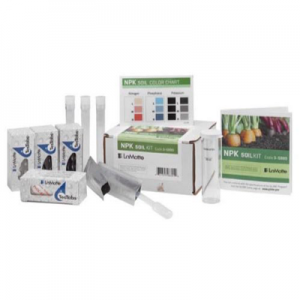
LaMotte NPK soil test kit
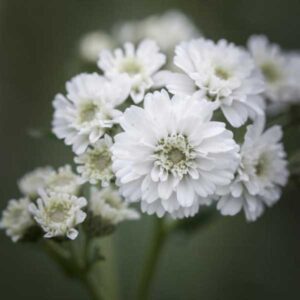
Achillea Ptarmica Double Diamond
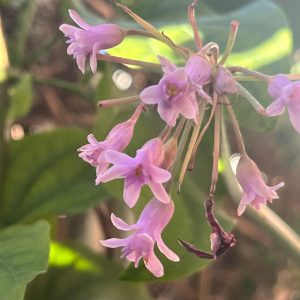
Asystasia bella (Forest bell-bush)
Brugmansia Angel Salmon Perfection
Mixed flower pot
Cement pot with succulent
Astrophytum Myriostigma Tricostatum
Ericaceous (Acid) compost
Astrophytum Asterias Nudum
Hibiscus Charles Dixon
Euphorbia Pulvinata (Meloformis Variegated)


There are no reviews yet.