


Cornus Sanguinea (Midwinter Fire)
1 in stock
Cornus Sanguinea (Midnight Fire)
Cornus ‘Midwinter Fire’ is valued not only for its spectacular winter colour but also for its adaptability, wildlife benefits, ease of maintenance, and ability to provide year-round garden interest. It is an excellent choice for gardeners seeking a hardy ornamental shrub that shines when most other plants are at rest.
For sale in South Africa.
Price range: R325.00 through R345.00
Cornus “Midwinter Fire”
Cornus ‘Midwinter Fire’ – A Blaze of Colour in the Winter Garden
When much of the garden lies dormant during the colder months, Cornus ‘Midwinter Fire’ comes alive with a spectacular display of fiery stems that brighten even the dullest winter landscape. Renowned for its vibrant shades of yellow, orange, and red, this ornamental dogwood is a favourite among gardeners seeking year-round interest and dramatic seasonal colour.
Native to regions of Asia, Cornus sanguinea and its cultivated varieties have long been valued for their decorative stems. ‘Midwinter Fire’ is a particularly striking cultivar, forming a dense, multi-stemmed deciduous shrub that reaches approximately 1.5 to 2 metres in height and spread. During spring and summer, the plant is clothed in fresh green foliage that creates an attractive backdrop for the garden. As autumn arrives, the leaves transform into warm shades of gold and orange before falling to reveal the plant’s most captivating feature – its brilliant winter stems.
The stems display a remarkable gradient of colour, beginning with golden yellow at the base, transitioning through vivid orange, and culminating in bright crimson-red tips. When illuminated by low winter sunlight, the effect is nothing short of breathtaking, resembling a living flame rising from the garden bed. This exceptional colour display often reaches its peak during the coldest months of the year.
Small clusters of creamy-white flowers appear in late spring, adding subtle charm to the shrub. These are followed by dark berries that may attract birds and other wildlife to the garden. While the flowers and fruit are attractive, it is undoubtedly the winter stem colour that makes this plant a standout specimen.
Cornus ‘Midwinter Fire’ thrives in full sun to partial shade and performs best in moist, well-drained soil enriched with organic matter. Although adaptable to a range of soil conditions, consistent moisture will encourage healthy growth and the most vibrant stem colour. Once established, the plant is relatively hardy and can tolerate periods of cold weather with ease.
Pruning plays an important role in maintaining the shrub’s striking appearance. The brightest stem colours are produced on young growth, so many gardeners choose to cut back a portion of the older stems in late winter or early spring. This rejuvenation pruning encourages vigorous new shoots that will provide the most intense colour during the following winter season.
In the landscape, ‘Midwinter Fire’ is exceptionally versatile. It can be planted as a specimen shrub, grouped in borders, incorporated into mixed shrub beds, or positioned near water features where its colourful stems can be reflected in the surface. It also combines beautifully with evergreen plants, ornamental grasses, and winter-flowering perennials, creating contrast and interest throughout the colder months.
Beyond its ornamental value, this dogwood contributes structure and texture to the garden during seasons when many other plants offer little visual appeal. Its vibrant stems serve as a reminder that gardens can remain beautiful and dynamic even in winter.
Whether used as a focal point or as part of a larger planting scheme, Cornus ‘Midwinter Fire’ delivers a stunning display of seasonal colour that transforms the winter garden into a glowing spectacle. For gardeners seeking beauty beyond the flowering season, few shrubs can rival the warmth and brilliance of this remarkable dogwood.
Plant Features
• Botanical Name: Cornus Sanguinea
• Common Name: Midwinter Fire
• Flower Colour: Red Orange
• Mature Height: 1.5-2.5M
Why You’ll Love It
1. Exceptional Winter Colour
The greatest attraction of Cornus ‘Midwinter Fire’ is its brilliant winter stem display. The vibrant yellow, orange, and red stems provide striking colour during a season when most gardens appear bare and dormant.
2. Year-Round Interest
This shrub offers beauty throughout the seasons. Fresh green foliage emerges in spring, attractive leaves fill the plant during summer, warm autumn colours develop before leaf fall, and the colourful stems take centre stage in winter.
3. Low Maintenance
Once established, Cornus ‘Midwinter Fire’ requires relatively little care. Occasional pruning to encourage new growth is usually all that is needed to maintain its vibrant appearance.
4. Wildlife Friendly
The small white flowers attract pollinating insects such as bees, while the berries can provide a food source for birds, helping to support local biodiversity.
5. Excellent for Landscape Design
Its colourful stems create strong visual impact and can be used as a focal point, in mixed shrub borders, along water features, or in mass plantings for dramatic winter effect.
6. Effective Erosion Control
The shrub develops a dense root system that can help stabilize soil on slopes and embankments, making it useful in landscape projects where soil retention is important.
7. Tolerates Wet Conditions
Unlike many ornamental shrubs, Cornus ‘Midwinter Fire’ can tolerate moist soils and is suitable for planting near ponds, streams, rain gardens, and other damp areas.
8. Provides Winter Structure
The upright branching habit adds architectural interest to the garden when herbaceous plants have died back and many deciduous shrubs have lost their leaves.
9. Suitable for Cutting and Floral Arrangements
The brightly coloured stems are popular in winter floral displays and decorative arrangements, bringing natural colour indoors during the colder months.
10. Enhances Property Appeal
Its unique seasonal display adds value to garden designs and creates a memorable visual feature that can enhance the overall attractiveness of residential and commercial landscapes.
Growing Tips
Watering;
While drought and flood-resistant, the shrub performs best with consistent moisture. Water regularly during the growing season, ensuring the soil remains moist but not waterlogged. Avoid letting the soil dry out during winter, as dry conditions can stress the plant and reduce its resilience to cold.
Pruning;
To encourage vibrant winter stem color and maintain a compact shape, prune annually in late winter or early spring. Remove about a third of the oldest stems down to ground level to stimulate new growth. This hard pruning promotes the fiery red, orange, and yellow hues that make the shrub visually striking in winter.
Fertilization
‘Midwinter Fire’ thrives with average nutrients and benefits from occasional compost or balanced fertilizer to support healthy growth and vibrant stems. Over-fertilization is unnecessary, as the plant is relatively low-maintenance.
Winter Care
The shrub is hardy in USDA zones 4–8, tolerating frosty winters. In colder zones, it generally requires no special protection, but in warmer zones, provide some frost protection if temperatures drop unexpectedly. Ensure the soil remains moist during winter to prevent
Cornus Sanguinea (Midwinter Fire) For sale in South Africa.
Shipping Countries: South Africa
Shipping States: Western Cape (South Africa)
Ready to ship in 1-3 business days
Shipping Policy
We will process your order within 1-3 business days.
Many of our plants can be couriered nationwide via the courier guy - and at checkout these options will be displayed. IF couriering doesn't come up as an option, this means that your basket contains one or more items that cannot be couriered - due to size/or practical reasons.
In this case, please either remove from your basket, or contact us for help.
For example, our horse compost cannot be sent via courier and will therefore appear as click and collect only!
We DO offer local deliveries! To those with postcode 7130. (or in the Raithby or Somerset West area.)
NB: We normally send the plants on a Monday or Tuesday to minimise the chance they'll get stuck in a depot over the weekend.
Refund Policy
No refunds on click & collect goods.
Normal refund policy (see terms and conditions) on other 'delivery' products.
Product Location
Winery Rd, Raithby, South Africa-
Pots, Toolshed
Plant pot – green 10.5cm
Raithby, WC
A beautiful, glazed, rectangular plant pot, for your indoor or outdoor plants.
Ceramic, vitrified pot, duck egg green in colour with brown speckles. Perfect for succulents or bonsai.
Pot is 10.5cm in length, 6.5cm width, and 5.5cm high
For sale in South Africa. Couriered nationwide.
SKU: n/a -
Plants, Shrubs & Perennials
Abutilon megapotamicum
Raithby, WC
Bring a touch of charm and colour to your garden with Abutilon megapotamicum, also known as the Trailing or Chinese Lantern Abutilon. This graceful shrub produces a profusion of dangling, lantern-like flowers — bright yellow petals peeking from deep red calyces — from spring right through to autumn. Its blooms seem to dance among the leaves, attracting bees and butterflies with their nectar-rich appeal.
SKU: n/a -
Plants, Shrubs & Perennials
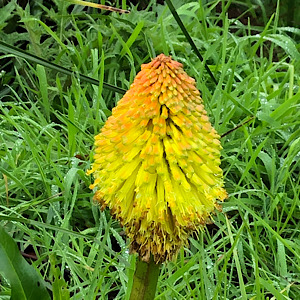
Kniphofia (Red Hot Poker)
Raithby, WC
Kniphofia (Red Hot Poker)
These stately plants make a striking statement in the garden during winter, with their tall and colourful spires.
A very hardy herbaceous perennial, it has long strap like leaves. They multiply easily and form clumps.
SKU: n/a


Related products
-
Plants, Shrubs & Perennials
Phlomis italica
Raithby, WC
Phlomis italica
A striking foliage plant with silver ‘woolly’ soft green, narrow leaves.
The plant has clusters of lilac-pink, hooded flowers surrounding long stems at the internodes. Flowers from Spring.
It likes full sun and well drained soil.
For sale in South Africa. Couriered nationwide.
SKU: n/a -
Plants, Shrubs & Perennials
Phlomis russeliana
Raithby, WC
Phlomis russeliana (Jerusalum sage, Turkish sage)
This lovely plant brings interest to the garden all year round, and is one of my favourite plants.
First it has the flower buds and the resultant beautiful flowers, and then the architectural seed heads throughout Autumn.
It’s an evergreen perennial which likes full sun but will appreciate some partial shade during hot summer afternoons.
The yellow hooded flowers are in clusters well above the basal foliage which remains as a low ground covering mound.
The ornamental seed heads are a great food source for birds. It is an excellent choice for cottage gardens, dry sunny borders, wild gardens and meadows.
For sale in South Africa.
SKU: n/a -