
Lupin The Pages
76 in stock
Lupin The Pages
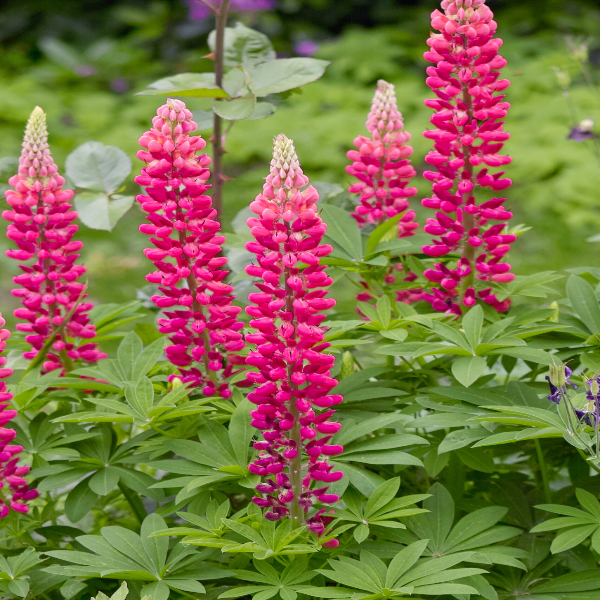
Lupin ‘The Pages’ is an outstanding perennial that combines striking crimson flower spikes, elegant foliage, and excellent garden performance. Its ability to attract pollinators, improve soil health, and provide spectacular seasonal colour makes it a valuable addition to cottage gardens, mixed borders, and wildlife-friendly landscapes.
Whether planted in groups for dramatic impact or incorporated into a diverse perennial border, Lupin ‘The Pages’ delivers timeless beauty and dependable performance year after year.
For sale in South Africa.
R75.00
76 in stock
Lupin The Pages
Lupin ‘The Pages’ is a spectacular flowering perennial renowned for its bold, upright flower spikes and vibrant display of rich crimson-red blooms. A member of the pea family (Fabaceae), this striking cultivar brings vertical interest, texture, and long-lasting colour to borders and cottage-style gardens. Its elegant flower spikes rise above attractive palmate foliage, creating an impressive focal point from late spring into early summer.
Favoured by gardeners for its architectural beauty and ability to attract pollinators, Lupin ‘The Pages’ performs beautifully in mixed perennial plantings and naturalistic landscapes. Its dramatic flowers combine effortlessly with other cottage garden favourites, adding both height and seasonal interest.
Plant Features
- Tall, densely packed crimson-red flower spikes.
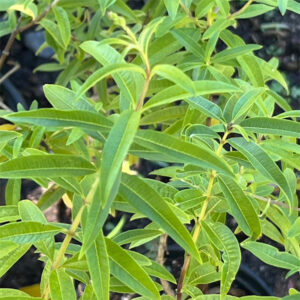
- Attractive palmate green foliage that remains decorative throughout the growing season.
- Excellent vertical accent for perennial borders.
- Highly attractive to bees, butterflies, and other beneficial pollinators.
- Ideal for cottage gardens, wildlife gardens, and cut flower arrangements.
- Reliable perennial that returns each year with proper care.
Mature Size
- Height: 80–120 cm
- Spread: 45–60 cm
Growing Conditions
Lupin ‘The Pages’ thrives in full sun but will tolerate light afternoon shade in warmer climates. It grows best in fertile, well-drained soil that retains moisture without becoming waterlogged. Slightly acidic to neutral soil conditions encourage healthy growth and abundant flowering.
Good drainage is essential, particularly during winter, as prolonged wet conditions around the crown may lead to root problems.
Watering
Water regularly during establishment and throughout dry periods to keep the soil evenly moist. Mature plants have moderate drought tolerance but perform best when they receive consistent moisture during active growth and flowering.
Avoid allowing the soil to become excessively wet, as lupins dislike waterlogged conditions.
Care and Maintenance
Lupin ‘The Pages’ is relatively easy to maintain. Remove faded flower spikes after blooming to encourage a tidy appearance and, in some climates, a lighter second flush of flowers. Cut back old foliage once it begins to decline later in the season.
Applying compost or a balanced fertiliser in early spring supports vigorous growth and abundant flowering. Mulching around the base helps retain soil moisture while suppressing weeds, taking care not to cover the crown.
Tall flower spikes may benefit from support in particularly windy locations.
Beware – the slugs also love lupins!
Landscaping Uses
The striking flower spikes make Lupin ‘The Pages’ an excellent feature in mixed perennial borders, cottage gardens, prairie-style plantings, and informal landscapes.
The blooms are also highly valued as long-lasting cut flowers for fresh floral arrangements.
Wildlife Benefits
The nectar-rich flowers attract bees, butterflies, and other beneficial insects throughout the flowering season. As a member of the legume family, lupins also contribute to soil health by fixing atmospheric nitrogen through their root nodules, improving soil fertility for neighbouring plants.
Flowering Season
Late spring to early summer, with occasional repeat flowering if spent blooms are removed promptly and growing conditions remain favourable.
Interesting Facts
- Lupins belong to the Fabaceae (pea) family and are valued for both their ornamental beauty and ecological benefits.
- The tall flower spikes open gradually from the bottom upwards, extending the flowering display over several weeks.
- Lupins naturally enrich the soil by fixing nitrogen, making them beneficial companion plants in the garden.
- The vibrant blooms are excellent for attracting pollinators and creating colourful seasonal displays.
- Lupin ‘The Pages’ is a favourite among gardeners seeking bold colour and strong vertical interest in perennial plantings.
For sale in South Africa.
Shipping Countries: South Africa
Shipping States: Western Cape (South Africa)
Ready to ship in 1-3 business days
Shipping Policy
We will process your order within 1-3 business days.
Many of our plants can be couriered nationwide via the courier guy - and at checkout these options will be displayed. IF couriering doesn't come up as an option, this means that your basket contains one or more items that cannot be couriered - due to size/or practical reasons.
In this case, please either remove from your basket, or contact us for help.
For example, our horse compost cannot be sent via courier and will therefore appear as click and collect only!
We DO offer local deliveries! To those with postcode 7130. (or in the Raithby or Somerset West area.)
NB: We normally send the plants on a Monday or Tuesday to minimise the chance they'll get stuck in a depot over the weekend.
Refund Policy
No refunds on click & collect goods.
Normal refund policy (see terms and conditions) on other 'delivery' products.
| Weight | 0.7 kg |
|---|---|
| pot size cm | |
| colour | Red |
Product Location
Winery Rd, Raithby, South AfricaRelated products
-
Acers, Trees
Moon Fire Japanese Acer
Grabouw, WC
Gorgeous 5L (23cm pot) Japanese Acer trees available.
Care Guide –
partial sun, direct sunlight burns their leaves. Summer – water daily if extremely hot alternatively every second day. Winter water 2-3x per week
Fertilize every 10 days with organic fertilizer. Maples are deciduous and loose their leaves in winter. They sprout the most magnificent colours in spring and their autumn leaves turn bright yellow or orange.
Due to the fragile nature (& size) of these plants, they are click and collect from the nursery in Elgin only. Or you can arrange your own courier.
SKU: n/a -
Herbs, Plants, Shrubs & Perennials
Aloysia triphylla – Lemon Verbena
Raithby, WC
Lovely lemony scent in your garden!
This is a fast growing woody shrub with fragrant leaves that give off a lemony-scent when the leaves are rubbed or brushed against. Uplifts mood and promotes positive feelings.
Flowers in Spring and Autumn. Prefers a full sun or even partial shade. Minimal water.
From the verbena family Verbenaceae, native to South America. Other common names include lemon beebrush. It was brought to Europe by the Spanish and the Portuguese in the 17th century and cultivated for its oil.
For sale in South Africa. Couriered nationwide.
SKU: n/a -
Plants, Shrubs & Perennials
Aechmea gamosepala (matchstick bromeliad)
Raithby, WC
Aechmea gamosepela, the ‘matchstick bromeliad’ has mid-green leaves with rounded tips. It reaches a height of approx 30cm.
Endemic to southern Brazil.It produces spikes topped with pink flowers with blue tips. Once open, the blue tips reveal pink flowers with a blue throat.
SKU: n/a