

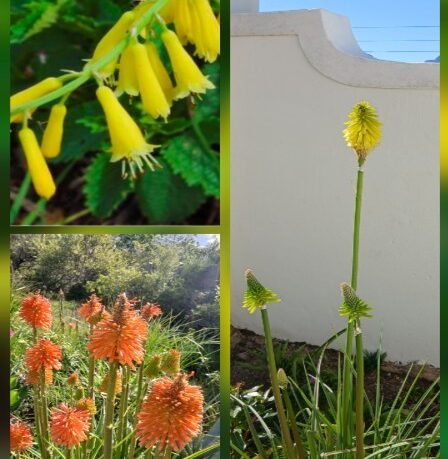
Kniphofia combo
10 in stock
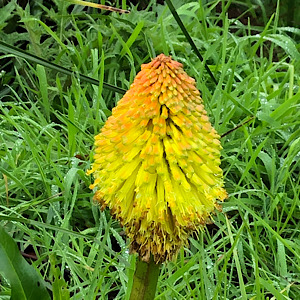
Kniphofia praecox is a vigorous, clump-forming perennial known for its tall, striking flower spikes.
It produces dense, torch-like blooms in warm shades of coral-orange and soft yellow, often with a bi-colour effect.
Flowering mainly in late spring to early summer, it adds bold vertical interest to the garden.
The plant has arching, strap-like green leaves and thrives in full sun with well-drained soil.
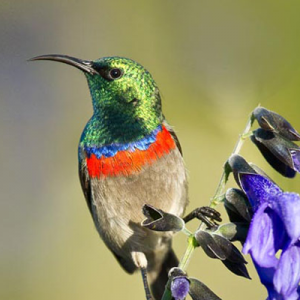
Attractive to sunbirds and pollinators, it is a hardy, low-maintenance choice for South African gardens.
R105.00
10 in stock
Kniphofia praecox – Orange & yellow flower
Kniphofia pauciflora – Yellow flower
Kniphofia praecox yellow – Yellow flower
Ready to ship in 1-3 business days
Shipping Policy
We normally use the Courier Guy to send your plants.
NB: We normally send the plants on a Monday or Tuesday to minimise the chance they'll get stuck in a depot over the weekend.
Refund Policy
If you feel the need to request a refund, please ensure you take photo's of the plants as received in the box, and pictures of the packaging too. Thanks.
Splits
| Weight | .8 kg |
|---|---|
| Dimensions | 5 × 5 × 15 cm |
-
Plants, Shrubs & Perennials
Agapanthus praecox Barley Blue
Near Raithby, Stellenbosch, WC
Agapanthus praecox Barley Blue
Beautiful, short stemmed agapanthus. Barley Blue is one of the earliest to start flowering. Very floriferous and hardy. Up to 12-15 stems on a mature plant. If you do not have a spot in the garden, just pop them into pots for a marvelous color splash. Agapanthus plants are very easy to grow, they love to be in a sunny spot, but will tolerate some shade. Feed them regularly with a balanced organic fertilizer.
These plants are sold open ground, but fully rooted. Excellent for mass planting. Because they are so hardy and easy to grow, they will establish themselves in a very short period of time, and give a breathtaking flowering show.
SKU: n/a -
Climbers & Creepers, Plants
Erigeron karvinskianus (Fleabane)
Near Raithby, Stellenbosch, WC
Erigeron karvinskianus (Mexigan fleabane)
A charming, spreading perennial with clouds of tiny daisy-like flowers that shift from white to pink. Thrives in sun, poor soil, and even cracks between paving stones. Low water, long bloom season, and perfect for softening paths, walls, and containers.
SKU: n/a -
Daylilies, Plants
Daylily Lemon Drop
Near Raithby, Stellenbosch, WC
Lemon Drop is a very pretty, solid yellow miniature Daylily. The plant is same size as the others, but the flower is significantly smaller. Giving Lemon Drop a very cute look. Very easy to grow.
An interesting fact about Daylilies:
Ancient Heritage
Daylilies have been cultivated for over 2,500 years, originally for food and medicine before they became popular ornamentals.Edible Blooms
In parts of Asia, especially China, daylily buds and flowers are edible and used in soups, salads, and stir-fries. (Always confirm the species and avoid hybrids for consumption.)Tough as Nails
Despite their delicate looks, daylilies are extremely hardy and can survive drought, heat, frost, and poor soils — making them ideal for low-maintenance or waterwise gardens.“One Day Wonder”
Each flower typically lasts for only a single day — hence the name daylily (from the Greek hemera = day, kallos = beauty). But don’t worry — each stem carries many buds, so the display continues for weeks!SKU: n/a -
Plants, Shrubs & Perennials
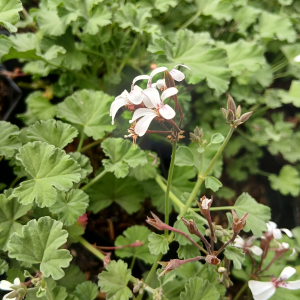
Pelargonium fragrans Nutmeg
Near Raithby, Stellenbosch, WC
Pelargonium fragrans ‘Nutmeg’
A compact, evergreen to semi-evergreen shrublet belonging to the scented-leaf pelargoniums. Pelargonium fragrans ‘Nutmeg’ is distinguished by its small, rounded, softly textured leaves that release a warm, spicy nutmeg scent when brushed. The plant bears delicate clusters of pale white to soft pink flowers throughout spring and summer, adding subtle charm to its aromatic foliage. Preferring full sun and well-drained soil, it performs well in borders, rock gardens, or containers. This drought-tolerant species is valued for both its ornamental and sensory appeal, contributing texture, fragrance, and gentle colour to Mediterranean or aromatic plantings.SKU: n/a -



Related products
-
Plants, Shrubs & Perennials
Kniphofia (Red Hot Poker)
Raithby, WC
Kniphofia (Red Hot Poker)
These stately plants make a striking statement in the garden during winter, with their tall and colourful spires.
A very hardy herbaceous perennial, it has long strap like leaves. They multiply easily and form clumps.
SKU: n/a -
Plants, Shrubs & Perennials
Salvia leucantha ‘White’ PBR
Raithby, WC
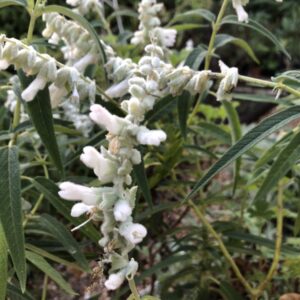
Rare form of salvia leucantha (mexican sage) – white in colour. Also named White Mischief.
Flowers in Spring and Autumn. Prefers a full sun or even partial shade. Minimal water.
A quick growing shrub that can reach 2-3 feet tall by 4-6 feet wide as it spreads outward at the base from its rootstock.
For sale in South Africa. Couriered nationwide.
SKU: n/a -
Climbers & Creepers, Plants
Clematis Etoile Violette
Pretoria, GP
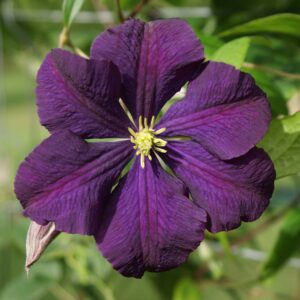
Growing to a mature height of around 2.5-3.5 metres, ‘Etoile Violetta’ is ideal for smaller spaces where you still want a lush vertical display. It clings by leaf stalks, making it easy to train up supports or through shrubs and small trees. Its medium-sized flowers, approximately 5-7 cm across, appear in abundance from mid-spring through early autumn, ensuring months of colour in your garden.
For sale in South Africa.
SKU: n/a -
Plants, Roses, Shrubs & Perennials
Rosa laevigata (Dog Rose)
Raithby, WC
Rosa laevigata (Dog Rose)
Bearing beautiful white single flowers, around 4–6 cm in diameter with five petals.
This is a deciduous shrub rose that can scramble into trees, but would normally range in height 1-5metres. Its stems are covered with small, sharp, hooked prickles, which aid it in climbing.
Flowers early in Spring – in Western Cape of South Africa around September-October.SKU: n/a