Kniphofia praecox – Orange & yellow flower
20 in stock
Kniphofia praecox is a vigorous, clump-forming perennial known for its tall, striking flower spikes.
It produces dense, torch-like blooms in warm shades of coral-orange and soft yellow, often with a bi-colour effect.
Flowering mainly in late spring to early summer, it adds bold vertical interest to the garden.
The plant has arching, strap-like green leaves and thrives in full sun with well-drained soil.
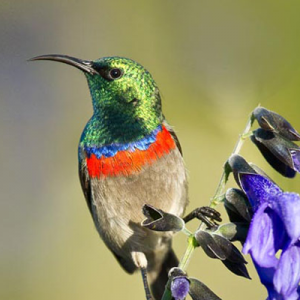
Attractive to sunbirds and pollinators, it is a hardy, low-maintenance choice for South African gardens.
R55.00
20 in stock
Kniphofia praecox – Orange & yellow flower
Ready to ship in 1-3 business days
Shipping Policy
We normally use the Courier Guy to send your plants.
NB: We normally send the plants on a Monday or Tuesday to minimise the chance they'll get stuck in a depot over the weekend.
Refund Policy
If you feel the need to request a refund, please ensure you take photo's of the plants as received in the box, and pictures of the packaging too. Thanks.
| Weight | 1 kg |
|---|---|
| Dimensions | 8 × 10 × 20 cm |
Daylily Our Mantis is a dramatic daylily selection with long, narrow, yellow, spidery petals that create an elegant starburst effect. Forms a hardy perennial clump with arching green leaves and tall flower scapes. Produces large, showy blooms in mid-summer. Drought tolerant, low maintenance, and ideal for modern landscapes.
Tulbaghia Ashanti
A clump-forming, hardy perennial with narrow, grass-like leaves and clusters or star-shaped mauve to lilac flowers. It blooms from spring through autumn and has a light garlic scent when crushed. Perfect for borders, rock gardens and water-wise gardens. Attract pollinators and is drought-tolerant once established. The edible flowers make a colorful garnish.
Sunburst Red has, large deep red flowers with yellow highlights on tall stems. Very easy to grow.
An interesting fact about Daylilies:
Sun and Shade Friendly
While most prefer full sun, many varieties adapt well to light shade, especially in hot climates — making them versatile for different garden spots.
Ancient Heritage
Daylilies have been cultivated for over 2,500 years, originally for food and medicine before they became popular ornamentals.
Edible Blooms
In parts of Asia, especially China, daylily buds and flowers are edible and used in soups, salads, and stir-fries. (Always confirm the species and avoid hybrids for consumption.)
Tough as Nails
Despite their delicate looks, daylilies are extremely hardy and can survive drought, heat, frost, and poor soils — making them ideal for low-maintenance or waterwise gardens.
“One Day Wonder”
Each flower typically lasts for only a single day — hence the name daylily (from the Greek hemera = day, kallos = beauty). But don’t worry — each stem carries many buds, so the display continues for weeks!