







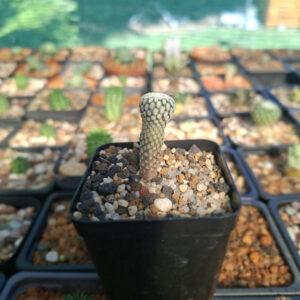
Gasteria Hybrid
2 in stock
Gasteria is a genus of succulent plants, native to South Africa and the far south-west corner of Namibia
R50.00
2 in stock
Gasteria is a genus of succulent plants, native to South Africa and the far south-west corner of Namibia
Shipping States: Limpopo (South Africa), KwaZulu-Natal (South Africa), Gauteng (South Africa), Western Cape (South Africa), Free State (South Africa), North West (South Africa), Eastern Cape (South Africa), Northern Cape (South Africa), Mpumalanga (South Africa)
Ready to ship in 3-5 business days
Shipping Policy
**Shipping Policy for Plants**
At MantisPlants, we take great care in preparing and shipping your plants to ensure they arrive in the best possible condition.
Bare Root Shipping
All plants are typically shipped bare-rooted, meaning that the soil is carefully removed from the roots to prevent any damage during transit. We wash the roots to remove any remaining soil and allow them to dry before wrapping them gently in tissue paper. This process helps minimize stress on the plant and ensures its safe arrival to you.
Pot Shipping Option (Not Recommended)
While we do offer the option of shipping some plants in their pots, this is generally not advisable. Shipping a plant in its pot can result in root damage due to movement and stress during transit. The roots can become constricted or disturbed, which can harm the plant. If you are still interested in this option, it must be arranged in advance with the vendor, and we will take extra precautions to pack it as securely as possible. However, we highly recommend the bare-root shipping method to ensure the best possible outcome for your plant.
**Careful Packaging**
We take pride in our packing process to ensure your plant arrives safely. Every plant is carefully packed, with extra attention to detail to protect the roots and foliage. We take care to secure the plant during transit, and make sure it is cushioned and stabilized inside the shipping box to avoid damage.
Our goal is to make sure your plant reaches you healthy and ready to thrive! If you have any questions about the shipping process, feel free to reach out to us.
| Weight | 0.3 kg |
|---|---|
| pot size | 7.5cm |
Product Location
oudthoorn, South Africa-
Plants, Succulents & Cacti
Euphorbia Neurobella, Red Monadenium (Rare, 10 Years old)
Oudtshoorn, WC
Euphorbia neurobella (Red Monadenium)
A striking and unusual succulent, Euphorbia neurobella is admired for its thick, sculptural stems and rich reddish tones that intensify in bright light. Its knobbly, textured surface gives it a bold, almost otherworldly appearance, making it a standout piece in any collection. During its growing season, it produces small, delicate flowers that add subtle charm to its rugged form.
Perfect for collectors looking for something different, this plant thrives in warm, bright conditions with well-draining soil and light watering.
Interesting fact:
Euphorbia neurobella was once classified under the genus Monadenium, which is why it’s still commonly known as “Red Monadenium” among collectors.SKU: n/a -
Plants, Succulents & Cacti
Aloe cv Pearl Necklace
Oudtshoorn, WC
Aloe ‘Pearl Necklace’ (also sometimes sold under names like ‘Sal’) is a visually striking Aloe hybrid prized for its spotted leaves and compact rosette form. Its most notable feature is the dense pattern of pale, pearl-like spots scattered across each leaf, giving a beaded appearance—hence the name.
It typically grows as:
-
A compact, symmetric rosette
-
Leaves tapering to fine tips with minimal or barely visible marginal teeth
-
Light green to grey-green foliage, with the white spotting intensifying under bright sun or during periods of mild stress
SKU: n/a -
-
Plants, Succulents & Cacti
Haworthia Nigra
Oudtshoorn, WC
Haworthia nigra is a little succulent with a big attitude! With its dark, almost black, spiky leaves stacked in tight layers, it looks like it’s ready to join the goth plant club. Native to South Africa, this hardy little character doesn’t need much to thrive but always stands out with its unique look. Perfect for those who appreciate a plant that can rock the “all black everything” vibe!
Care Instructions:
Haworthia nigra prefers bright, indirect light but can tolerate some shade. Plant it in well-draining soil and water sparingly, letting the soil dry out completely between waterings. It grows slowly and enjoys a light monthly feeding of diluted succulent fertilizer during the warmer months. Just remember: too much water makes it sulky!SKU: n/a -
Plants, Succulents & Cacti
Turbinicarpus Pseudopectinatus Seed Grown 2024
Oudtshoorn, WC
Turbinicarpus pseudopectinatus is a remarkable miniature cactus native to Mexico, highly prized by collectors for its compact growth, distinctive spine arrangement, and beautiful flowers.
This slow-growing species develops a small, rounded to slightly flattened body covered with closely arranged, fine, white to greyish spines. The spines form an attractive comb-like pattern, giving the plant its characteristic silvery appearance.
During the flowering season, mature plants produce beautiful pale pink to pinkish-purple flowers, often with a darker central stripe. The relatively large flowers create a spectacular contrast a
SKU: n/a -
Plants, Succulents & Cacti
Euphorbia parvimedusae hybrid
Oudtshoorn, WC
A Euphorbia parvimedusae hybrid is a cultivated succulent variety developed by crossing Euphorbia parvimedusae—a rare and unusual species from South Africa—with another Euphorbia species, often to enhance certain traits such as size, growth habit, or ease of cultivation. These hybrids typically retain the unique, medusoid appearance of the parent species, characterized by a central caudex (swollen stem base) from which numerous cylindrical arms or branches radiate, resembling a sea anemone or the mythological head of Medusa.
Depending on the hybrid cross, the plant may show variations in:
-
Branch density – more compact or sprawling arms
-
Caudex shape – larger, more prominent, or more textured
-
Color – shades of green, grey-green, or even reddish tones
-
Spines – some hybrids may have more or fewer spines
Like most Euphorbias, these hybrids exude a white, toxic latex when damaged and should be handled with care. They prefer well-draining soil, minimal watering, and bright light—making them excellent candidates for collectors or enthusiasts interested in rare succulents.
SKU: n/a -



Related products
-
-
Plants, Succulents & Cacti
Astrophytum Myriostigma Fukuryu
Oudtshoorn, WC
The Astrophytum Myriostigma Fukuryu is a rare and striking cactus prized for its unique, wavy ribs and textured white speckles that resemble a starry sky. Its distinctive appearance, combined with its ease of care, makes it a must-have for collectors and enthusiasts. Perfect for adding elegance to any succulent collection or home decor.
SKU: n/a -
Plants, Succulents & Cacti
Gymnocalycium mihanovichii variegata
Oudtshoorn, WC
Gymnocalycium mihanovichii variegata, commonly known as the Variegated Moon Cactus, is a striking and unique cactus characterized by its vibrant, multicolored tops, which are often bright yellow, pink, or red. The colorful crown is a result of a lack of chlorophyll, making it an interesting addition to any succulent collection. The base of the cactus is typically a green Gymnocalycium, which provides stability and nutrients to the colorful top. This plant is often grafted onto a more resilient cactus species to enhance its growth and longevity.
Care Instructions:
- Light: Requires bright, indirect sunlight. Avoid direct sunlight to prevent scorching the colorful tops.
- Water: Water sparingly, allowing the soil to dry out completely between waterings. During the growing season (spring and summer), water more frequently, but reduce watering in fall and winter.
- Soil: Use a well-draining cactus mix to prevent root rot.
- Temperature: Thrives in warm conditions, ideally between 18-30°C (65-86°F). Protect from frost and cold drafts.
SKU: n/a


