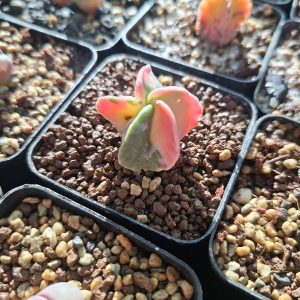
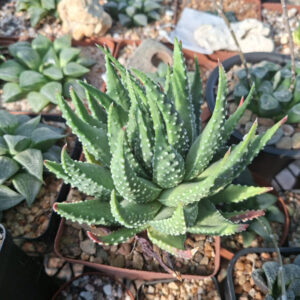
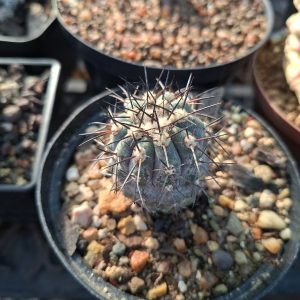
Gasteria is a genus of succulent plants, native to South Africa and the far south-west corner of Namibia
Gasteria Hybrid
2 in stock
Gasteria is a genus of succulent plants, native to South Africa and the far south-west corner of Namibia
R50.00
2 in stock
Ready to ship in 3-5 business days
Shipping Policy
**Shipping Policy for Plants**
At MantisPlants, we take great care in preparing and shipping your plants to ensure they arrive in the best possible condition.
Bare Root Shipping
All plants are typically shipped bare-rooted, meaning that the soil is carefully removed from the roots to prevent any damage during transit. We wash the roots to remove any remaining soil and allow them to dry before wrapping them gently in tissue paper. This process helps minimize stress on the plant and ensures its safe arrival to you.
Pot Shipping Option (Not Recommended)
While we do offer the option of shipping some plants in their pots, this is generally not advisable. Shipping a plant in its pot can result in root damage due to movement and stress during transit. The roots can become constricted or disturbed, which can harm the plant. If you are still interested in this option, it must be arranged in advance with the vendor, and we will take extra precautions to pack it as securely as possible. However, we highly recommend the bare-root shipping method to ensure the best possible outcome for your plant.
**Careful Packaging**
We take pride in our packing process to ensure your plant arrives safely. Every plant is carefully packed, with extra attention to detail to protect the roots and foliage. We take care to secure the plant during transit, and make sure it is cushioned and stabilized inside the shipping box to avoid damage.
Our goal is to make sure your plant reaches you healthy and ready to thrive! If you have any questions about the shipping process, feel free to reach out to us.
| Weight | 0.3 kg |
|---|---|
| pot size | 7.5cm |
Product Location
oudthoorn, South Africa-
Plants, Succulents & Cacti
Astrophytum Myriostigma Tricostatum
Oudtshoorn, WC
Astrophytum Myriostigma var. quadricostatum, also known as the “Bishop’s Cap Cactus,” is a distinctive, spineless cactus with four prominent ribs, giving it a star-shaped appearance. Native to Mexico, this cactus is covered with tiny white dots that help it retain water in dry climates. It’s a great choice for collectors due to its unique look and easy care.
Care Instructions:
- Light: Prefers bright, indirect sunlight; a few hours of direct morning sun is beneficial.
- Water: Water sparingly, especially during winter. Allow the soil to dry completely between waterings to prevent rot.
- Soil: Use a well-draining cactus soil mix, ideally with added grit or sand.
- Temperature: Thrives in warm conditions (20-30°C) but can tolerate cooler temperatures down to around 5°C if kept dry.
- Humidity: Low humidity is best.
- Fertilizer: Apply a diluted cactus fertilizer during the growing season (spring and summer).
SKU: n/a -
Plants, Succulents & Cacti
Crassula ovata “Gollum”
Oudtshoorn, WC
Crassula ovata ‘Gollum’, commonly known as the Gollum Jade, is a unique succulent with distinctive tubular, finger-like leaves tipped with red in bright sunlight. Easy to grow and drought-tolerant, it makes an excellent choice for pots, rock gardens, or bonsai collections. A fascinating and low-maintenance plant for any succulent enthusiast.
SKU: n/a -
Plants, Succulents & Cacti
Ornithogalum Species
Oudtshoorn, WC
Ornithogalum is a genus of bulbous flowering plants in the asparagus family (Asparagaceae), native mainly to southern Africa and parts of Europe and western Asia. The group includes many species commonly called “star-of-Bethlehem” due to their star-shaped flowers.
General characteristics:
- Grows from underground bulbs (geophytes).
- Produces narrow, strap-like green leaves.
- Flowers are typically star-shaped with 6 white (sometimes green-striped) petals.
- Many species open in sunlight and close in low light or at night.
- Flowering season varies by species, but many South African types bloom in spring.
Habitat:
- Found in grasslands, renosterveld, fynbos edges, and rocky or sandy soils.
- Many species are adapted to seasonal rainfall patterns (winter or summer rainfall depending on region).
Cultivation:
- Prefers well-drained soil and full sun.
- Requires a dry dormancy period after flowering when leaves die back.
- Water lightly during active growth; avoid overwatering during dormancy.
- Bulbs can multiply over time, forming clumps.
Notes:
- Some species are highly ornamental, while others are considered invasive outside their native range.
- A few species may be toxic to livestock if ingested.
SKU: n/a -
Plants, Succulents & Cacti
Copiapoa Dealbata
Oudtshoorn, WC
Copiapoa dealbata
A highly sought-after Chilean cactus admired for its distinctive, sculptural form and beautiful blue-grey to chalky-grey colouring. Copiapoa dealbata typically develops a compact, rounded body with pronounced ribs and a striking, almost powdered appearance.
A superb choice for collectors of rare and unusual cacti. It prefers strong light, excellent ventilation and an extremely well-draining, mineral-rich growing medium. Water sparingly during the growing season, allowing the soil to dry completely between waterings, and keep almost completely dry during winter.
SKU: n/a -
Plants, Succulents & Cacti
Euphorbia parvimedusae hybrid
Oudtshoorn, WC
A Euphorbia parvimedusae hybrid is a cultivated succulent variety developed by crossing Euphorbia parvimedusae—a rare and unusual species from South Africa—with another Euphorbia species, often to enhance certain traits such as size, growth habit, or ease of cultivation. These hybrids typically retain the unique, medusoid appearance of the parent species, characterized by a central caudex (swollen stem base) from which numerous cylindrical arms or branches radiate, resembling a sea anemone or the mythological head of Medusa.
Depending on the hybrid cross, the plant may show variations in:
-
Branch density – more compact or sprawling arms
-
Caudex shape – larger, more prominent, or more textured
-
Color – shades of green, grey-green, or even reddish tones
-
Spines – some hybrids may have more or fewer spines
Like most Euphorbias, these hybrids exude a white, toxic latex when damaged and should be handled with care. They prefer well-draining soil, minimal watering, and bright light—making them excellent candidates for collectors or enthusiasts interested in rare succulents.
SKU: n/a -
Astrophytum Myriostigma va. Nudum Variegated
Gasteria Elephiea
Tulista Pumila (Haworthia Pumila)
Tylecodon Wallichii