
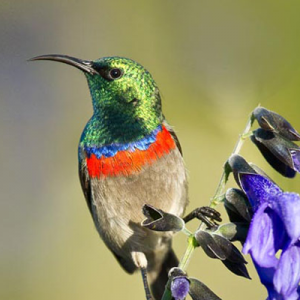

Chasmanthe Yellow (3 plants/bulbs)
38 in stock
Chasmanthe floribunda Yellow
An indigenous bulb that transforms your garden into a vibrant spectacle during winter and spring. With its stunning sprays of bright yellow flowers and fresh green leaves, this miracle plant brings a touch of sunshine to your landscape. Dormant in summer, it conserves energy to deliver a breathtaking display when the seasons change, making it a perfect addition for those seeking low-maintenance yet striking flora.
Plants are shipped without pots.
R105.00
38 in stock
Chasmanthe floribunda Yellow
Bulbs/corms are dormant during summer. Can be lifted and divided every two years. Feed bulbs/corms a balanced fertilizer when leaves are about 15cm.
Plants are shipped without pots.
Ready to ship in 1-3 business days
Shipping Policy
We normally use the Courier Guy to send your plants.
NB: We normally send the plants on a Monday or Tuesday to minimise the chance they'll get stuck in a depot over the weekend.
Refund Policy
If you feel the need to request a refund, please ensure you take photo's of the plants as received in the box, and pictures of the packaging too. Thanks.
| Weight | 0.05 kg |
|---|---|
| Dimensions | 5 × 5 × 8 cm |
| colour | Yellow |
Product Location
Cape Town, South Africa-
Plants, Shrubs & Perennials
Pelargonium fragrans Nutmeg
Near Raithby, Stellenbosch, WC
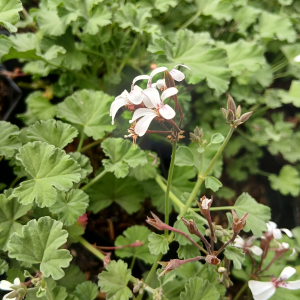
Pelargonium fragrans ‘Nutmeg’
A compact, evergreen to semi-evergreen shrublet belonging to the scented-leaf pelargoniums. Pelargonium fragrans ‘Nutmeg’ is distinguished by its small, rounded, softly textured leaves that release a warm, spicy nutmeg scent when brushed. The plant bears delicate clusters of pale white to soft pink flowers throughout spring and summer, adding subtle charm to its aromatic foliage. Preferring full sun and well-drained soil, it performs well in borders, rock gardens, or containers. This drought-tolerant species is valued for both its ornamental and sensory appeal, contributing texture, fragrance, and gentle colour to Mediterranean or aromatic plantings.SKU: n/a -
Bulbs & Tubers, Plants
Nerine filifolia (2 bulb/plants)
Near Raithby, Stellenbosch, WC
Nerine filifolia
A true gem for the late summer and autumn garden, Nerine filifolia is a delicate yet striking bulb prized for its fine, thread-like foliage and sparkling pink blooms. The narrow, grass-like leaves create a soft, airy texture, while slender stems rise above them carrying clusters of starry, lightly ruffled flowers in clear to soft pink tones.
Unlike many larger nerines, this species has a more refined, graceful habit, making it ideal for rock gardens, containers, and the front of sunny borders. The flowers catch the light beautifully and also make charming cut blooms.
Plant Type: Deciduous bulb
Flower Colour: Soft to clear pink
Flowering Time: Late summer to autumn
Height: ±30–40 cm
Position: Full sun
Watering: Moderate during active growth; keep drier during dormancy
Soil: Well-drained soil; thrives in sandy or loamy conditionsLow maintenance and drought tolerant once established, Nerine filifolia rewards gardeners with reliable seasonal colour and elegant texture year after year.
SKU: n/a -
Daylilies, Plants, Shrubs & Perennials
Daylily Anna Mae Hagar
Near Raithby, Stellenbosch, WC
Anna Mae Hagar is a stunning large yellow flower with a green throat. Very easy to grow.
An interesting fact about Daylilies:
“One Day Wonder”
Each flower typically lasts for only a single day — hence the name daylily (from the Greek hemera = day, kallos = beauty). But don’t worry — each stem carries many buds, so the display continues for weeks!SKU: n/a -
Plants, Shrubs & Perennials
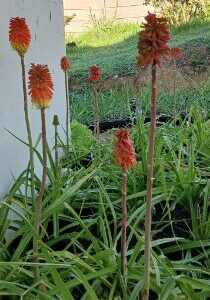
Kniphofia preaecox 4lt
Near Raithby, Stellenbosch, WC
Kniphofia praecox is a vigorous, clump-forming perennial known for its tall, striking flower spikes.
It produces dense, torch-like blooms in warm shades of coral-orange and soft yellow, often with a bi-colour effect.
Flowering mainly in late spring to early summer, it adds bold vertical interest to the garden.
The plant has arching, strap-like green leaves and thrives in full sun with well-drained soil.
Attractive to sunbirds and pollinators, it is a hardy, low-maintenance choice for South African gardens.SKU: n/a -
Daylilies, Plants
Daylily Lemon Drop
Near Raithby, Stellenbosch, WC
Lemon Drop is a very pretty, solid yellow miniature Daylily. The plant is same size as the others, but the flower is significantly smaller. Giving Lemon Drop a very cute look. Very easy to grow.
An interesting fact about Daylilies:
Ancient Heritage
Daylilies have been cultivated for over 2,500 years, originally for food and medicine before they became popular ornamentals.Edible Blooms
In parts of Asia, especially China, daylily buds and flowers are edible and used in soups, salads, and stir-fries. (Always confirm the species and avoid hybrids for consumption.)Tough as Nails
Despite their delicate looks, daylilies are extremely hardy and can survive drought, heat, frost, and poor soils — making them ideal for low-maintenance or waterwise gardens.“One Day Wonder”
Each flower typically lasts for only a single day — hence the name daylily (from the Greek hemera = day, kallos = beauty). But don’t worry — each stem carries many buds, so the display continues for weeks!SKU: n/a



Related products
-
Plants, Shrubs & Perennials
Brugmansia Angel Little Lady
Raslow, GP
Brugmansia Angel Little Lady
This beautiful new cultivar, cultivated right here in South Africa, produces masses of highly scented flowers that are quite small. Little Lady would be ideal for pots on the stoep with its masses of small highly scented white flowers.
Actual size of plant when couriered – 25-30cm.
Can reach 2m x 1.5m in frost free areas in 2 years. But can be cut to desired size and shape.
Angel Little Lady is an exotic plant with little fuss and loads of flowers. She is definitely worth the little effort she requires.
SKU: n/a -
Climbers & Creepers, Plants
Clematis Fond Memories
Pretoria, GP
Growing to a mature height of around 3–4 metres, ‘Fond Memories’ is ideal for smaller spaces where you still want a lush vertical display. It clings by leaf stalks, making it easy to train up supports or through shrubs and small trees. Its medium-sized flowers, approximately 8–10 cm across, appear in abundance from mid-spring through late autumn, ensuring months of colour in your garden.
For sale in South Africa.
SKU: n/a -
Plants, Shrubs & Perennials
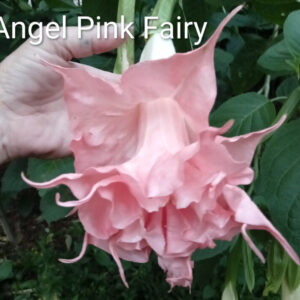
Brugmansia Angel Pink Fairy
Raslow, GP
Brugmansia Angel Pink Fairy
This is a new hybrid plant with many fairy double pink flowers. The bright pink flowers look like fairies in pink dresses that dance in the air.
Actual size of plant when couriered – 20 -30cm.
Can reach 4m x 2.5m in frost free areas in 2 years. But can be cut to desired size and shape.
Angel Pink Fairy is an exotic plant with little fuss and loads of flowers. She is definitely worth the little effort she requires.
SKU: n/a -
Plants, Succulents & Cacti
Echeveria afterglow
Near Raithby, Stellenbosch, WC
Echeveria afterglow
Striking and sculptural, Echeveria ‘Afterglow’ is a standout succulent prized for its large, perfectly formed rosettes and luminous colouring. Broad, powdery leaves in soft lavender-pink are edged with a delicate rosy glow, intensifying in bright light and adding a bold, modern touch to any plant collection.
This hybrid echeveria is both eye-catching and easy to grow, making it ideal for pots, patio displays, or sunny windowsills. It thrives in well-draining soil and requires minimal watering, making it a perfect choice for low-maintenance gardening and water-wise landscapes.
Mature plants can reach impressive sizes, creating a dramatic focal point in containers or succulent arrangements. In the right conditions, tall flower spikes may appear, carrying coral-pink blooms that attract pollinators and add seasonal interest.
NB: PLANTS WILL BE SHAKEN FROM THIER POTS FOR EASE OF SHIPMENT
SKU: n/a