



Catnip ‘Nepeta Cataria’
5 in stock
Catnip (Nepeta Cataria)
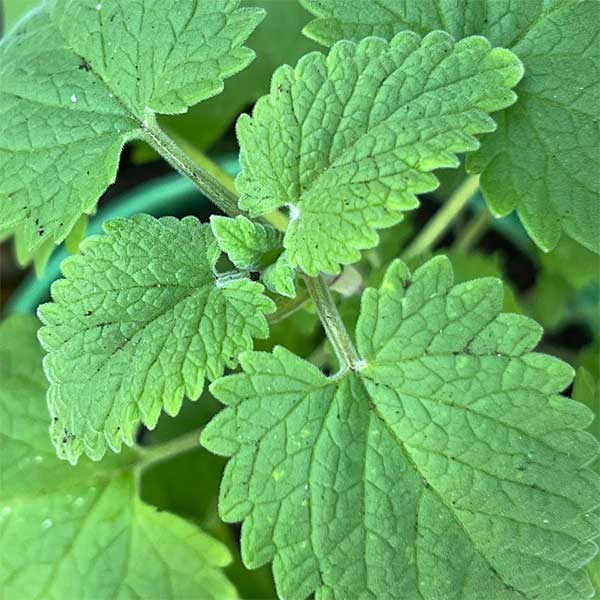
Catnip is a hardy perennial herb from the mint family, grown for its fragrant grey-green leaves and small white to pale lavender flowers. Best known for its natural attraction to cats, the plant contains aromatic oils that stimulate playful behaviour in many felines.
Easy to grow in full sun and well-drained soil, Catnip is drought tolerant once established and attracts bees and other beneficial pollinators to the garden. Its leaves may be used fresh or dried in herbal teas and natural remedies. With its soft foliage and relaxed growth habit, Catnip is well suited to herb gardens, containers, and cottage-style planting.Well suited to South African growing conditions.
For sale in South Africa.
R35.00
5 in stock
Catnip (Nepeta Cataria)
Catnip, also known as catmint, is a hardy, aromatic perennial herb belonging to the mint family, Lamiaceae. Native to Europe and parts of Asia, it has become naturalised in many regions around the world, including South Africa. It is well known for its soft grey-green foliage and its irresistible attraction to cats, caused by the natural compound nepetalactone found in the leaves and stems.
Growing in an upright, bushy form, Catnip produces heart-shaped to oval leaves with softly serrated edges and a velvety texture. From late spring through summer, it bears delicate spikes of small tubular flowers in shades of white to pale lavender, often marked with subtle purple speckles. These airy blooms attract bees, butterflies, and other beneficial pollinators, making it an excellent addition to wildlife-friendly gardens.
Thriving in full sun and well-drained soil, Nepeta cataria is drought tolerant once established and requires only moderate watering. Regular trimming after flowering encourages compact growth and repeat blooming throughout the warmer months. It performs well in herb gardens, cottage gardens, containers, and mixed perennial borders.
Typically reaching a height of 60–100 cm, Catnip has a relaxed, slightly spreading habit that adds softness and movement to garden spaces. Its fragrant foliage can be harvested fresh or dried for herbal teas traditionally used to promote relaxation, aid digestion, and support restful sleep.
Easy to grow and wonderfully versatile, Catnip combines ornamental beauty with herbal usefulness and pollinator appeal. Whether planted for cats, beneficial insects, or its calming herbal qualities, Nepeta cataria is a charming and rewarding addition to any sunny garden.
Plant Features
• Botanical Name: Nepeta Cataria
• Common Name: Catnip
• Plant Type: Perennial herb
• Flower Colour: Soft Purple
• Flowering Season: Spring/Summer
• Mature Height: 12-40 inches
• Growth Rate: Fast
• Sun Requirements: Full sun
• Water Needs: Moderate, regular watering during establishment
Why You’ll Love It
For cats: Fresh or dried leaves can be used in toys, scratching posts, or sprinkled in play areas.
For humans: Leaves can be brewed into tea or used in culinary applications like soups, salads, or desserts.
Ornamental: Its bushy form and flowers make it a decorative addition to gardens and herb beds.
Catnip is a versatile plant that combines ornamental appeal, practical uses for pets, and mild medicinal benefits, making it a popular choice for gardeners and cat owners alike.
Growing Tips
Catnip thrives in full sun but tolerates partial shade, preferring well-draining, moderately fertile soil with a pH of 6.1–7.8.
It grows well in sandy, loamy, or clay soils as long as water does not pool around the roots. The plant is hardy in USDA zones 3–9 and can be grown in the ground or in containers to control spreading.
Catnip (Nepeta Cataria) South Africa, Catnip is a hardy perennial herb from the mint family, grown for its fragrant grey-green leaves and small white to pale lavender flowers. Best known for its natural attraction to cats, the plant contains aromatic oils that stimulate playful behaviour in many felines.
For sale in South Africa.
Shipping Countries: South Africa
Shipping States: Western Cape (South Africa)
Ready to ship in 1-3 business days
Shipping Policy
We will process your order within 1-3 business days.
Many of our plants can be couriered nationwide via the courier guy - and at checkout these options will be displayed. IF couriering doesn't come up as an option, this means that your basket contains one or more items that cannot be couriered - due to size/or practical reasons.
In this case, please either remove from your basket, or contact us for help.
For example, our horse compost cannot be sent via courier and will therefore appear as click and collect only!
We DO offer local deliveries! To those with postcode 7130. (or in the Raithby or Somerset West area.)
NB: We normally send the plants on a Monday or Tuesday to minimise the chance they'll get stuck in a depot over the weekend.
Refund Policy
No refunds on click & collect goods.
Normal refund policy (see terms and conditions) on other 'delivery' products.
| Weight | .7 kg |
|---|---|
| pot size cm | |
| colour | Green |
Product Location
Winery Rd, Raithby, South AfricaRelated products
-
Acers, Trees
G1 Japanese Acer
Grabouw, WC
Gorgeous 5L (23cm pot) Japanese Acer trees available.
Care Guide –
partial sun, direct sunlight burns their leaves. Summer – water daily if extremely hot alternatively every second day. Winter water 2-3x per week
Fertilize every 10 days with organic fertilizer. Maples are deciduous and loose their leaves in winter. They sprout the most magnificent colours in spring and their autumn leaves turn bright yellow or orange.
Due to the fragile nature (& size) of these plants, they are click and collect from the nursery in Elgin (Western Cape) only. Or you can arrange your own courier.
SKU: n/a -


